
Home » Medical Malpractice » Dental Malpractice Lawyer
Dental Malpractice Lawyer
Experienced Cincinnati & Northern Kentucky Dental Medical Malpractice Lawyers
Most people trust their dentist, oral surgeon, or orthodontist without a second thought. When that trust is broken by careless treatment, the results can include chronic pain, permanent nerve damage, lost teeth, and thousands of dollars in corrective dental work. At Lawrence, Beirne & Lewis, our team of Ohio and Kentucky medical malpractice lawyers represents patients in Cincinnati, Southwest Ohio, Covington, Northern Kentucky, and surrounding communities who experience such losses.

Dental injuries can take many forms. They may result from treatment errors, delayed diagnoses, surgical mistakes, anesthesia complications, or a provider’s failure to follow accepted standards of dental care. Our dental malpractice lawyers evaluate serious dental injury claims and represent patients who seek compensation when negligent treatment causes them harm.
We handle qualifying injury cases on a contingency-fee basis, which means you pay no attorney fees unless we recover compensation on your behalf. To schedule a free consultation, call us toll-free at (800) 698-4054, in Kentucky at (859) 578-9130, or in Ohio at (513) 651-4130, or contact us online.
Let’s Discuss Your Potential Case
Let’s Discuss Your Potential Case
What Is Dental Malpractice?
Dental malpractice occurs when a dental provider fails to meet the accepted standard of care, and that failure injures the patient. As in other medical malpractice cases, the patient generally must show that a competent dentist in similar circumstances would have acted differently, and that this departure from proper care directly caused harm.
Not every disappointing result is malpractice. Dental treatment, like all medicine, carries inherent risks, and a bad outcome alone does not mean a dentist did anything wrong. The key difference is between a procedure that failed despite proper care and treatment that fell below what a reasonably skilled dentist would have provided under the same circumstances.
What Constitutes Dental Malpractice?
A dental error typically becomes a potential malpractice claim when four circumstances are present: what we call the four D’s of negligence. First, the dentist or dental provider owed the patient a professional duty of care, which arises once a provider-patient relationship begins. Second, the provider’s care deviated from the appropriate professional standard. Third, the departure directly caused a new injury or made an existing condition worse. Finally, the patient suffered measurable damages, whether physical, financial, or otherwise.
The conduct does not have to rise to the level of gross negligence. An ordinary but avoidable mistake committed during routine dental work can be enough if it caused real harm.
Dental Negligence vs. an Unsuccessful Dental Procedure
Complications can happen even when a dentist does everything right. A tooth may fracture during a difficult extraction, or an implant may fail to integrate despite careful planning. These can be recognized risks of the procedure.
Negligence is different. It involves preventable harm caused by an unreasonable act or omission, such as drilling into a nerve because the provider never reviewed the X-rays or ignoring clear signs of infection. Telling these situations apart usually requires a careful review of the patient’s dental and medical records by a skilled personal injury lawyer.
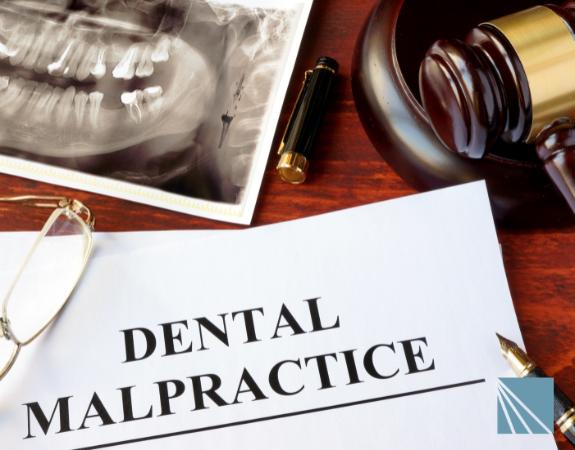
Signs of Dental Malpractice
Patients are not always sure whether what they experienced after a dental procedure was an unfortunate complication or a sign that something went wrong. Persistent or worsening pain that does not improve after the expected healing period is often one of the clearest warning signs. This is particularly true when it comes with nerve damage, numbness, or a burning sensation that was never disclosed as a likely risk.
Other signs include:
- Infection that spreads or fails to respond to treatment
- Unnecessary tooth extraction
- Dental implants that fail shortly after placement
- Jaw injuries and bite problems after orthodontic or restorative work
- Delayed diagnosis of periodontal disease or oral cancer
- Permanent numbness
- The loss of otherwise healthy teeth
Depending on the circumstances and whether or not the resulting injuries could have been prevented with proper care, these are all serious signs that a provider’s error may have caused lasting harm.
Dental Malpractice Statistics
Dental malpractice claims are discussed less often than other forms of medical malpractice, but they represent a significant category of cases nationwide. According to data from the National Practitioner Data Bank, from 2016 to 2026, more than 17,000 Adverse Action Reports (AARs) and more than 12,000 Medical Malpractice Payment Reports (MMPRs) were recorded for dental practitioners alone. Nerve damage, surgical errors, and infections after routine procedures are among the leading causes of these claims, and many such injuries could have been prevented if appropriate protocols had been followed.
Patient safety depends on dental professionals meeting established standards, from reviewing a patient’s complete medical history before treatment to using proper surgical technique. When those standards slip, patients may be left with permanent nerve damage, chronic pain, and costly corrective treatment.

Common Dental Malpractice Examples
Dental malpractice can arise in nearly any type of dental treatment, but certain scenarios come up more often than others. These include:
Failure to Diagnose Oral Disease
Dentists are often the first providers in a position to spot serious oral conditions. A missed or delayed diagnosis of oral cancer, periodontal disease, an abscess, a cyst, or a spreading infection can allow the condition to progress. As a result, the patient may need more aggressive treatment and may face a worse prognosis.
Improper Tooth Extraction
Extraction errors include removing the wrong tooth, extracting a tooth that did not need to come out, damaging adjacent teeth, leaving root fragments behind, and using excessive force that fractures the jaw. A provider who fails to recognize and address complications after an extraction can also be held responsible.
Nerve Damage During Dental Treatment
The lingual nerve and the inferior alveolar nerve run close to areas where dentists routinely work. Careless extractions, injections, implant placement, or oral surgery can seriously injure these nerves. The result may be numbness, tingling, or pain in the tongue, lip, chin, or gums, and in some cases, these symptoms never fully resolve.
Root Canal Errors
Root canal mistakes include missed canals, perforation of the tooth or root, instruments that break off inside the canal, and infection that is left untreated. These failures can lead to persistent pain, further damage to the tooth, and the need for retreatment or extraction.
Dental Anesthesia Errors
Local anesthesia and sedation are generally safe when handled properly. Anesthesia errors can occur, however, when a provider gives the wrong dose, fails to review the patient’s medical history and medications, does not monitor the patient adequately, or overlooks a known allergy. Complications from sedation can be especially serious.
Infection After Dental Treatment
Some infections develop despite good care. An infection may support a negligence claim when it resulted from unsanitary conditions or improper technique. A claim may also be possible when the provider failed to recognize warning signs such as swelling, fever, or drainage, or failed to treat or refer the patient in time.
Failure to Obtain Informed Consent
Patients have the right to understand what they are agreeing to. A provider may be liable when they fail to reasonably inform a patient about the proposed procedure, its material risks, or reasonable treatment alternatives, and the patient is then injured by a risk they were never told about.
Dental Implant Malpractice
Dental implants require careful planning and precise surgical placement. Malpractice in implant cases may involve:
- Placement that damages nerves or nearby structures
- Improper positioning or angling of the implant
- Failure to evaluate whether enough bone is available to support the implant
- Failure to recognize infection or early implant failure
- Improper treatment planning
- Sinus perforation or other surgical injuries
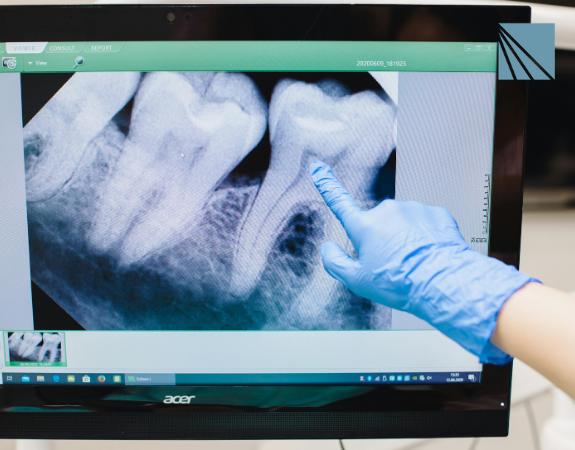
Implant cases often require a detailed review of imaging, treatment plans, and operative records, as well as the corrective treatment the patient needed afterward. Because these procedures can cost thousands of dollars and take months to complete, a failed implant often brings significant financial losses on top of the physical harm. A skilled dental implant malpractice lawyer at Lawrence, Beirne & Lewis can provide a thorough investigation into the case and make sure your claim accounts for every loss suffered and every applicable damage.
Other Types of Dental Negligence Claims
Dental malpractice is not limited to general dentistry. Specialists are held to the standards of their specialty, and errors in these areas can be especially harmful. As such, other common types of negligence claims our Northern Kentucky and Cincinnati dental malpractice lawyers handle include:
Oral Surgery Malpractice
An oral surgeon performs some of the most invasive procedures in dentistry. Surgical error claims in Ohio and Kentucky may involve injuries during wisdom tooth extraction, nerve damage, surgical site infections, excessive bleeding, jaw fractures, and complications from general anesthesia or IV sedation.
Orthodontic Negligence
An orthodontist may be liable for adopting an inappropriate treatment plan, failing to monitor for root resorption, applying excessive force, or ignoring signs of gum disease or decay during treatment. These errors can cause avoidable tooth damage, bite problems, or tooth loss that does not become apparent until months or years after treatment started.
Periodontal Negligence
Gum disease is common and treatable when it is caught early. A delayed diagnosis, or failure to treat or refer, can allow it to progress to bone loss, infection, and avoidable tooth loss.
Endodontic Negligence
Endodontists treat the dental pulp and the tissues surrounding the tooth root. Negligence in this area may involve root canal errors, incomplete treatment, perforations, or failure to address infection, any of which can turn a salvageable tooth into a lost one.
Pediatric Dental Negligence
Children are particularly vulnerable to dental errors. Pediatric claims may involve sedation and anesthesia mistakes, unnecessary procedures, untreated decay, or treatment errors that affect a child’s developing teeth and jaw. If any of these are the case for you, our child injury lawyers in Cincinnati and Covington can help seek full and fair compensation on you and your child’s behalf.
Can I Sue a Dentist for Malpractice?
Patients may have a valid dental malpractice claim when a dentist’s negligence caused an injury that would not have otherwise occurred. To succeed in most cases, a patient must be able to show the four elements of negligence we covered above:
- That the dentist owed a duty of care,
- That the dentist breached that duty by falling below the appropriate standard,
- That the breach caused the injury, and
- That the patient suffered harm as a result.
Proving avoidable harm is central to every dental malpractice claim. It is not enough to show that a bad outcome occurred. As your dental malpractice lawyer, it is our job to show that the injury resulted from the dentist’s negligence rather than from an accepted risk of the procedure.
Can I Claim Compensation for Dental Negligence?
Compensation depends on the losses the dental injury caused, not simply on the fact that a mistake happened. Depending on the facts of the case, recoverable damages may include:
- Corrective dental and medical treatment
- Future procedures or rehabilitation
- Lost wages and reduced earning capacity
- Pain and suffering and physical limitations
- Permanent nerve or tissue damage
- Disfigurement
- Other damages allowed under Ohio or Kentucky law
Dental Malpractice Settlement Amounts & Verdicts
There is no true universal average that determines what an individual dental malpractice claim is worth. One case may involve a few thousand dollars in repair costs, while another may involve permanent nerve damage that affects a person’s ability to eat, speak, and work for the rest of their life, potentially reaching into tens of thousands, hundreds of thousands, or, in the most severe cases, even millions of dollars.
Factors that commonly affect case value include the severity and permanence of the injury, the cost of corrective procedures, lost income, the extent of pain and suffering, and future treatment needs. The strength of the liability evidence and the law of the state where treatment occurred also matter. How a claim is settled, and for how much, often depends on how well these factors are documented and how prepared the patient’s legal team is to challenge the insurance company’s position.

How to Prove Dental Malpractice
Building a dental malpractice claim requires several types of evidence that work together. This includes:
- Dental and Medical Records. Patient charts, treatment plans, X-rays, CBCT imaging, consent forms, prescriptions, surgical notes, and referrals form the foundation of the case. Photographs and records from later providers who treated the injury are often just as important.
- Evidence of the Standard of Care. The central question is usually whether the provider’s conduct fell below the standard expected of a reasonably careful dentist or specialist under the same circumstances.
- Causation. The claim must connect the negligent treatment to the patient’s actual injury. Identifying an error is not enough on its own; the error must have directly caused or contributed to the harm.
- Documenting Damages. Bills, corrective treatment plans, employment records, photographs, and journals describing symptoms all help show the full impact of the injury.
The Role of a Dental Malpractice Expert Witness
Judges and juries are not dental professionals, so testimony from a qualified expert frequently determines what the standard of care required and whether the defendant departed from it. Expert review often matters before a lawsuit is even filed.
Kentucky currently requires a certificate of merit when filing covered malpractice actions. The certificate generally confirms that the claimant reviewed the facts and consulted a qualified professional who found a reasonable basis for the action. In Ohio, state law similarly requires an affidavit of merit when filing covered medical claims.
How to Sue a Dentist for Malpractice
Pursuing a dental malpractice claim usually follows a general path, though every case moves at its own pace. It typically starts with a consultation, during which an attorney learns what happened and identifies the records needed. Once an attorney-client relationship is established, the legal team then gathers dental and medical records and has a qualified professional review them to determine whether the care fell below the standard and caused the injury.
If the claim has merit, the attorney prepares the required affidavit or certificate of merit and files the lawsuit within the applicable deadline. Both sides then exchange information through discovery, which may include depositions of the dentist, the patient, and expert witnesses.
Many cases are resolved through negotiation or mediation. Those that are not resolved proceed to trial, where a judge or jury decides the outcome. The process can take many months or longer, and an experienced attorney can help you navigate each stage.
How to Win a Dental Malpractice Lawsuit
No attorney can guarantee a result, but a well-supported case has a much better chance of success. Factors that can strengthen a dental malpractice claim include:
- Complete dental and medical documentation
- Strong evidence of the applicable standard of care
- Testimony from qualified dental professionals
- A clear causal link between the negligence and the injury
- Thorough documentation of financial and physical losses
- Filing the claim within all applicable deadlines

Dental Malpractice Lawsuit Requirements in Ohio and Kentucky
Greater Cincinnati sits on the Ohio-Kentucky border, and many patients live in one state but receive dental care in the other. Where the treatment occurred generally determines which state’s procedural rules apply, and those rules differ in important ways.
Cases in both states involve meeting filing deadlines, satisfying professional-review requirements, identifying the proper defendants, obtaining records, securing professional testimony, and proving causation and damages. As mentioned, Kentucky currently requires a certificate of merit for covered malpractice actions under KRS 411.167. Ohio has its own affidavit-of-merit requirements for covered medical claims under Ohio Civil Rule 10(D)(2). An attorney familiar with both systems can make sure the claim is filed correctly in the right court.
Dental Malpractice Statute of Limitations in Ohio
For patients treated in Ohio, Ohio Revised Code § 2305.113 generally requires a dental malpractice action to be commenced within one year after the claim accrues. If the patient sends qualifying written notice to the provider before that one-year period expires, the deadline may be extended by up to 180 days.
It would be a mistake to assume you always have exactly one year. When the claim accrued, when the injury was discovered, whether proper notice was sent, the patient’s age, and other circumstances can all affect the actual deadline.
Ohio’s Four-Year Statute of Repose for Dental Claims
A statute of limitations and a statute of repose are not the same thing. The limitations period runs from when a claim accrues, while the statute of repose sets an outer limit measured from the dental act or omission itself. Ohio law generally bars dental claims filed more than four years after the underlying act or omission, even if the patient did not yet know about the injury. The statute contains limited exceptions, so prompt legal review is important for determining where you stand.
Dental Malpractice Statute of Limitations in Kentucky
Kentucky law also generally provides a one-year limitation period for negligence or malpractice actions against dentists. Under KRS 413.140, the claim accrues when the injury is discovered or reasonably should have been discovered, subject to a five-year outer limit described in the statute.
Determining the precise deadline requires reviewing when the treatment occurred, when the injury became apparent, and other case-specific facts. Because these periods are short, it is wise to speak with a lawyer as soon as you suspect a problem.
How to Report a Dentist for Malpractice
Filing a complaint with a licensing board and pursuing compensation are two separate processes. A regulatory complaint asks the state to investigate a dentist’s professional conduct and, if warranted, impose discipline. A civil lawsuit seeks financial compensation for the injured patient.
Reporting an Ohio Dentist
Patients treated in Ohio can file a complaint with the Ohio State Dental Board, which licenses dentists and dental hygienists and investigates possible violations of Ohio’s dental practice laws.
Reporting a Kentucky Dentist
In Kentucky, complaints about dentists are handled by the Kentucky Board of Dentistry, which reviews allegations of professional misconduct and can take disciplinary action against a provider’s license.
A licensing complaint can help protect future patients. However, it serves a different purpose than a civil dental malpractice lawsuit and generally will not compensate you for medical bills, lost wages, or pain and suffering.

Do I Need a Lawyer for Dental Malpractice?
Dental malpractice cases are often complex, and pursuing one without an attorney can put an injured patient at a significant disadvantage. Dentists and their insurers typically have experienced defense counsel working on their behalf from the start.
A qualified dental malpractice attorney conducts a thorough investigation, brings access to expert witnesses who can address the standard of care, and provides representation tailored to each patient’s injuries and circumstances. Given the technical nature of dental cases and the strict requirements in both Ohio and Kentucky, experienced legal representation is often what makes a claim practical to pursue.
What Does a Dental Negligence Lawyer Do?
A dental negligence lawyer:
- Investigates the treatment you received and obtains your dental and medical records;
- Works with appropriate dental professionals to evaluate the care and determine whether it caused your injury;
- Calculates your full damages;
- Deals with the dentist’s insurance company; and
- Meets every filing requirement and deadline.
Throughout the case, your attorney will negotiate for a fair resolution while preparing the case for litigation in case a settlement cannot be reached.
How to Find a Dental Malpractice Lawyer
When searching for a dental malpractice lawyer, it helps to look beyond advertising and ask specific questions. Consider each attorney’s experience handling professional negligence litigation, familiarity with dental and medical malpractice claims, access to appropriate professional reviewers, experience litigating serious injury cases, knowledge of the laws in the state where your treatment occurred, and resources to fully investigate and litigate the case.
Choosing Among Top-Rated Dental Malpractice Lawyers
Not every attorney has the background to handle dental malpractice cases effectively. A general personal injury lawyer may be skilled with car accidents but unfamiliar with dental procedures and standards of care. Patients should look for genuine experience with medical and dental malpractice litigation specifically.
Trial experience matters as well, because an attorney who is prepared to take a case to trial is often better positioned to negotiate a fair settlement. Clear, consistent communication is another important quality, so that you understand each step as your case develops.

Why Choose Lawrence, Beirne & Lewis As Your Greater Cincinnati Dental Malpractice Attorneys?
Medical malpractice is a primary focus of our practice, not a side area. As Covington and Cincinnati personal injury lawyers with offices on both sides of the river, Lawrence, Beirne & Lewis represents clients throughout Southwest Ohio and Northern Kentucky and understands the procedural differences between the two states.
Our firm has the resources to obtain and review complex medical and dental records and to consult appropriate professionals when a case calls for it. We have extensive experience handling serious injury and wrongful death litigation, and we have recovered more than $100 million for injured clients and families across our broader injury practice. Qualifying injury cases are handled on a contingency-fee basis, so you can pursue your claim without paying attorney fees up front.
How Our Dentist Malpractice Attorneys Investigate a Potential Claim
Every case begins with listening. We review your description of the treatment you received and the symptoms you have experienced since. From there, we obtain your dental and medical records and examine imaging, treatment plans, and any corrective care you received afterward.
When needed, we consult an appropriate dental professional to determine whether your treatment departed from the standard of care and whether that departure caused your injury. Finally, we calculate the financial and personal losses that resulted, so we can pursue compensation that reflects the true impact of the harm.
Highly Experienced Dental Malpractice Attorneys Serving Southwest Ohio and Northern Kentucky
Lawrence, Beirne & Lewis maintains law offices in Cincinnati and Covington and handles medical malpractice matters throughout the region. In Ohio, we represent patients in Cincinnati and Hamilton County, as well as Butler, Clermont, and Warren Counties and surrounding Southwest Ohio communities. In Kentucky, we serve clients in Kenton, Boone, and Campbell Counties and neighboring Northern Kentucky communities.
This includes Cincinnati, Hamilton, Dayton, Mason, and Fairfield, Ohio, as well as Covington, Florence, Newport, Fort Thomas, and Edgewood, Kentucky. If you are in or around these areas and believe you may have a valid dental malpractice claim, we encourage you to schedule a consultation with our legal team today.

Contact Our Ohio and Kentucky Dental Malpractice Lawyers at Lawrence, Beirne & Lewis For a Free Consultation Today
Dental negligence can leave patients with long-term pain, nerve damage, infections, tooth loss, additional procedures, and significant financial losses. If you believe negligent dental treatment harmed you or a loved one in Southwest Ohio or Northern Kentucky, our Covington and Cincinnati medical malpractice attorneys can review your circumstances and explain your options.
We handle qualifying injury cases on a contingency-fee basis, so there are no attorney fees unless we recover compensation for you. Call us toll-free at (800) 698-4054, in Kentucky at (859) 578-9130, or in Ohio at (513) 651-4130, or contact us online to schedule your free consultation today.
What Clients Have To Say About Working With Us
We Have Recovered Over $100 Million
for Injury Victims and Their Families
















Proud to Give Back
We are proud to give back to
the communities we serve.