
Home » Birth Injuries » Hypoxic Ischemic Encephalopathy
Hypoxic Ischemic Encephalopathy Attorney in Cincinnati & Northern Kentucky
Experienced HIE Lawyers Helping Families Pursue Justice After a Preventable Birth Injury
A diagnosis of hypoxic-ischemic encephalopathy (HIE) can leave families facing uncertainty, extensive medical treatment, and concerns about a child’s long-term future. When HIE results from preventable mistakes during pregnancy, labor, delivery, or neonatal care, families may have the right to pursue compensation through a medical malpractice claim.
At Lawrence, Beirne & Lewis, our Covington and Cincinnati birth injury attorneys represent families throughout Northern Kentucky and Southwest Ohio in cases involving HIE and other serious birth-related brain injuries. We work to hold negligent healthcare providers accountable and pursue the financial resources families need for ongoing medical care, therapy, specialized services, and future support.

Our legal team has experience handling a wide range of birth injury and medical malpractice claims, including those involving permanent brain injuries caused by oxygen deprivation. We understand the physical, emotional, and financial impact these injuries can have on a child and their family, and we are committed to pursuing the compensation needed to help protect your child’s future. If you believe a healthcare provider’s negligence contributed to your child’s hypoxic-ischemic encephalopathy diagnosis, contact Lawrence, Beirne & Lewis to discuss your legal options. You can call our Cincinnati office at (513) 651-4130, our Covington office at (859) 578-9130, or toll-free at (800) 698-4054 to schedule your free consultation today.
Let’s Discuss Your Potential Case
Let’s Discuss Your Potential Case
What is Hypoxic-Ischemic Brain Injury?
A hypoxic-ischemic brain injury occurs when there is insufficient oxygen and blood flow to the brain. When decreased oxygen flow and reduced blood circulation limit the delivery of nutrients to the brain, brain cells can begin to suffer damage within minutes. If the oxygen deprivation is severe or prolonged, some brain cells may die, resulting in permanent neurological injuries.
In many cases, the injury is linked to birth trauma, such as complications involving the umbilical cord or placenta or failures to respond appropriately to signs of fetal distress. Such cases may potentially lead to developmental delays, cerebral palsy, seizure disorders, and other long-term complications. The severity of a hypoxic-ischemic brain injury often depends on how long the baby’s brain was exposed to decreased oxygen flow and how quickly medical providers restored normal circulation and oxygen levels.
What is Hypoxic Ischemic Encephalopathy (HIE)?
HIE, or perinatal hypoxic-ischemic encephalopathy, is one of the most common types of hypoxic-ischemic brain injuries. Perinatal refers to the time immediately before and/or after birth, while hypoxic means oxygen deprivation and ischemic means a lack of blood flow. Lastly, encephalopathy relates to a disease or damage that affects the brain. So, put together, a hypoxic-ischemic encephalopathy injury is a type of injury occurring during the neonatal period of an infant’s life that is caused by a limited oxygen supply and blood flow to the brain.
HIE is also frequently referred to as neonatal encephalopathy or the result of perinatal asphyxia, and it remains one of the leading causes of long-term neurological impairment in newborns. Understanding the underlying mechanics of this condition is often the first step for families trying to make sense of what happened to their child and whether medical error played a role.
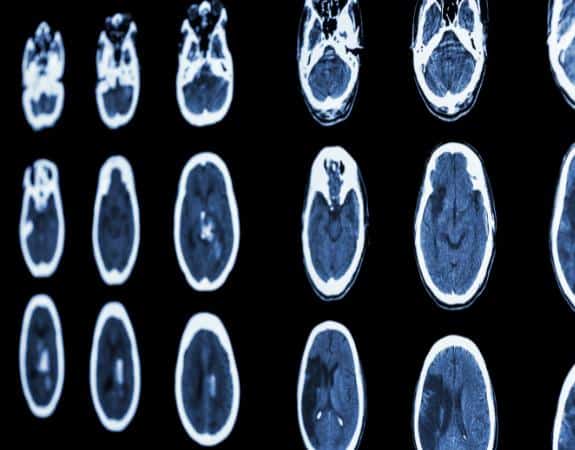
Hypoxic Ischemic Encephalopathy Stages
The severity of an HIE diagnosis is generally classified into one of three stages, each carrying a different prognosis and set of long-term implications for the child. Physicians typically use a grading system, often based on the Sarnat staging criteria, to evaluate the severity of a newborn’s encephalopathy.
This classification considers factors such as muscle tone, reflexes, level of consciousness, and the presence or absence of seizures. The stage assigned to a child’s condition can have a significant impact on treatment decisions, the likelihood of long-term complications, and the strength of a potential malpractice claim.
Mild Hypoxic Ischemic Encephalopathy
Infants with mild HIE may display irritability, excessive alertness, and mild changes in muscle tone, but these symptoms often resolve within the first 24 to 48 hours of life. While outcomes for mild cases tend to be more favorable, some children still go on to develop subtle cognitive or behavioral issues that may not become apparent until later in childhood.
Moderate Hypoxic Ischemic Encephalopathy
Moderate HIE involves more pronounced symptoms, including lethargy, decreased muscle tone, diminished reflexes, and sometimes seizures within the first day of life. Children with moderate HIE face a substantially higher risk of long-term disabilities, including cerebral palsy and cognitive impairments, making early and aggressive treatment, such as therapeutic hypothermia, critical to improving outcomes.
Severe Hypoxic Ischemic Encephalopathy
Severe HIE is marked by stupor or coma, absent or minimal reflexes, significant abnormalities in muscle tone, and often prolonged or difficult-to-control seizures. Children diagnosed with severe HIE face the highest risk of permanent brain damage, profound disability, or death, and typically require extensive, lifelong medical and developmental support.

What Causes Hypoxic Ischemic Encephalopathy in Newborns?
When an unborn child suffers from a lack of oxygen and blood flow to the brain, several risks are presented for both the mother and the baby. The longer the fetus goes without oxygen, the more severe the child’s HIE and the more it will affect them, and potentially the mother. Women who experience a high-risk pregnancy face a higher chance of their child suffering from birth asphyxia and hypoxic-ischemic encephalopathy.
Umbilical Cord Compression
When the umbilical cord becomes compressed during labor, the flow of oxygenated blood to the baby can be significantly restricted. Medical teams are expected to monitor fetal heart rate patterns closely for signs of cord compression and respond with appropriate medical interventions, such as repositioning the mother or proceeding to an emergency delivery. Families whose children suffered harm due to a missed or mismanaged cord compression event are encouraged to speak with our compressed umbilical cord injury attorneys about their legal options.
Placental Abruption
Placental abruption occurs when the placenta separates from the uterine wall before delivery, cutting off a critical source of oxygen and nutrients to the baby. This is a medical emergency that requires immediate recognition and action. When healthcare providers fail to identify the signs of abruption or delay emergency delivery, the resulting oxygen deprivation can cause severe and permanent injury. A placental abruption birth injury lawyer at Lawrence, Beirne & Lewis can help determine whether the standard of care was met in your case.
Uterine Rupture
A uterine rupture, though rare, is an obstetric emergency in which the wall of the uterus tears during labor, often during a vaginal birth after a prior cesarean section. This condition can cause sudden and severe oxygen deprivation to the baby and dangerous bleeding in the mother. Prompt recognition of warning signs and immediate surgical intervention are essential to prevent catastrophic injury. If you believe a delayed response contributed to your child’s HIE, the Northern Kentucky and Cincinnati uterine rupture lawyers at our firm can evaluate your case.
Prolapsed Umbilical Cord
Umbilical cord prolapse happens when the cord slips through the cervix ahead of the baby during delivery, where it can become compressed and cut off oxygen supply. This is considered a true obstetric emergency requiring an immediate emergency C-section delivery in most cases. Any delay in recognizing or responding to a prolapsed cord can quickly lead to irreversible brain injury.
Maternal Infections
Certain infections during pregnancy or labor, including chorioamnionitis and other maternal infections, can increase the risk of fetal oxygen deprivation and HIE. Left undiagnosed or improperly treated, these infections can also lead to serious complications for the mother. Families concerned that a missed infection contributed to their child’s injury may have grounds for a maternal infection malpractice claim.
Excessive Labor Complications
Prolonged labor places ongoing stress on both the mother and the baby, increasing the risk of oxygen deprivation as labor continues without progress. Medical teams must continuously assess whether labor is progressing safely or whether intervention, such as the use of forceps, vacuum extraction, or a cesarean section, has become necessary to protect the baby’s well-being.
Delayed Emergency Cesarean Section
When signs of fetal distress emerge, hospitals are expected to move quickly to perform an emergency cesarean section. Delays of even a few minutes in these critical situations can mean the difference between a healthy baby and one who suffers lifelong brain damage. Families who suspect a delayed C-section contributed to their child’s HIE diagnosis should speak with an experienced C-Section malpractice attorney to understand their rights.
Failure to Monitor Fetal Distress
Continuous fetal monitoring during labor is one of the primary tools medical teams use to detect signs of distress before permanent injury occurs. When nurses or physicians fail to properly interpret fetal heart rate strips or fail to act on signs of fetal distress in a timely manner, the consequences can be devastating. The Covington and Cincinnati fetal distress malpractice lawyers at Lawrence, Beirne & Lewis regularly investigate these exact scenarios on behalf of injured families.
Is Hypoxic Ischemic Encephalopathy Curable?
There is currently no cure for hypoxic-ischemic encephalopathy. Treatment, most notably therapeutic hypothermia (cooling therapy) initiated within hours of birth, can help reduce the extent of brain damage in some cases, but it cannot reverse injury that has already occurred. Many children with HIE require respiratory support, ongoing medical monitoring, and various forms of therapy throughout childhood and, in many cases, for the rest of their lives. The goal of treatment is to manage symptoms, support development, and improve quality of life rather than to cure the underlying brain injury.
When Does HIE Become Medical Malpractice?
Not every case of hypoxic-ischemic encephalopathy is the result of medical negligence. Sometimes, despite a medical team’s best efforts and full compliance with the accepted standard of care, complications arise that could not have been reasonably prevented or anticipated. This is an unfortunate reality of childbirth, and not every adverse outcome translates into a viable legal claim.
However, HIE may rise to the level of medical malpractice when a healthcare provider fails to meet the accepted standard of care expected of someone in their position, and that failure directly causes or worsens the child’s brain injury. This can include failing to properly monitor fetal heart rate, misreading warning signs of distress, delaying necessary interventions like an emergency C-section, mismanaging maternal health conditions, anesthesia errors, or making errors in medication administration. Determining whether negligence played a role often requires a careful review of medical records, hospital protocols, and the specific circumstances surrounding the birth.

HIE Diagnosis
Prompt recognition and accurate testing are important when diagnosing hypoxic-ischemic encephalopathy. Medical providers must evaluate the baby’s condition in the delivery room and continue monitoring for signs of neurological injury so that treatment can begin as quickly as possible. The following diagnostic tools and assessments are commonly used to confirm an HIE diagnosis and determine the severity of the injury:
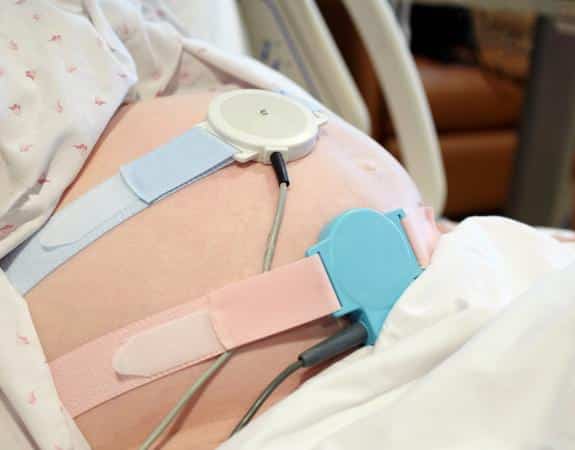
- Fetal Monitoring Records/ “Strips” – Continuous fetal heart rate monitoring during labor produces a detailed record that can reveal whether and when signs of fetal distress appeared, and whether the medical team responded appropriately.
- MRI and Brain Imaging – Brain imaging, particularly MRI, plays a central role in diagnosing the extent and pattern of brain injury in infants suspected of having HIE, often performed within the first week of life for the clearest picture.
- Blood Gas Testing – Blood gas analysis, particularly from the umbilical cord at the time of delivery, helps physicians assess the degree of oxygen deprivation and acidosis the baby experienced during labor and delivery.
- Neurological Evaluations – A thorough neurological exam shortly after birth, evaluating muscle tone, reflexes, and level of alertness, helps medical teams determine the severity of the encephalopathy and guide immediate treatment decisions.
- Developmental Assessments – As children grow, ongoing developmental assessments help track cognitive, motor, and speech milestones, often revealing the longer-term effects of an HIE diagnosis that may not have been fully apparent at birth.
Infant Hypoxic Ischemic Encephalopathy Symptoms
In the hours immediately following birth, certain signs can indicate that a baby suffered oxygen deprivation during labor or delivery. These warning signs often prompt further testing and immediate intervention:
- Low Apgar Scores — A low Apgar score at one and five minutes after birth can be an early indicator of distress.
- Difficulty Breathing — Babies with HIE often require respiratory support shortly after delivery.
- Seizures — Seizure activity within the first day of life is a common and concerning symptom of HIE.
- Poor Muscle Tone — Babies may appear unusually limp or, in some cases, abnormally rigid.
- Feeding Difficulties — Trouble sucking, swallowing, or maintaining alertness during feeding can signal neurological involvement.
Can HIE Be Prevented?
While not every case of HIE can be prevented, many cases are avoidable when medical professionals properly monitor mothers and babies throughout pregnancy and delivery, recognize risk factors early, and respond promptly to warning signs. Proper fetal monitoring, timely recognition of fetal distress, swift action when complications arise, and adherence to established protocols for high-risk pregnancies all play a role in reducing the likelihood of a preventable HIE diagnosis.
When these protective measures fail due to inadequate monitoring or delayed response, families are often left wondering whether better care could have prevented their child’s condition. Sadly, in many cases, the answer is yes. When that happens, an experienced hypoxic-ischemic encephalopathy attorney at Lawrence, Beirne & Lewis can help you pursue justice for the harm that resulted from that preventable error.

Medical Conditions Commonly Associated With HIE
The effects of hypoxic-ischemic encephalopathy can extend far beyond the initial brain injury, leading to a range of medical conditions that may affect a child’s development, mobility, learning abilities, and overall quality of life. The specific complications vary depending on the severity of the oxygen deprivation and the areas of the brain that were injured.
Cerebral Palsy
Cerebral palsy is one of the most common and well-known conditions associated with hypoxic-ischemic encephalopathy, resulting from damage to the developing brain that affects muscle control, coordination, and movement. Families navigating a cerebral palsy diagnosis following a difficult birth may benefit from speaking with our Kentucky and Ohio cerebral palsy injury lawyers to discuss their legal options.
Epilepsy and Seizure Disorders
Many children who experience HIE go on to develop epilepsy or other seizure disorders, often requiring lifelong medication management and neurological care. Seizures may begin during the newborn period or develop months or years later as the child grows. Our newborn seizure attorneys help families affected by medical negligence seek compensation for the many long-term costs associated with these conditions.
Cognitive and Learning Disabilities
Depending on the severity and location of brain injury, children with HIE may experience a range of cognitive impairments and learning disabilities that affect their educational needs throughout life. These challenges can impact memory, attention, problem-solving abilities, and academic performance. Many children require individualized education plans, tutoring, or other educational support services to help them reach their full potential.
Speech and Language Delays
Damage to areas of the brain responsible for communication can result in significant speech and language delays, often requiring years of specialized therapy. Some children may struggle with expressive language, receptive language, or both. Early intervention and ongoing speech therapy can play an important role in helping children improve their communication skills.
Vision and Hearing Impairments
HIE can also affect the parts of the brain responsible for processing sensory information, leading to vision or hearing impairments in some children. The severity of these impairments can vary widely, ranging from mild difficulties to substantial sensory limitations. Early diagnosis and appropriate treatment may help children adapt and improve their ability to interact with the world around them.
Motor Function Disorders
Beyond cerebral palsy specifically, children with HIE may experience a range of motor function disorders affecting coordination, balance, and fine or gross motor skills. These difficulties can make everyday activities such as walking, writing, eating, or dressing more challenging. Physical and occupational therapy are often important components of long-term treatment and rehabilitation.

The Lifetime Costs of Caring for a Child With HIE
Raising a child with hypoxic-ischemic encephalopathy often comes with a substantial and ongoing financial burden that can affect a family for decades. Some of the most significant lifetime costs include:
- Medical expenses
- Hospitalizations and surgeries
- Physical therapy
- Occupational therapy
- Speech therapy
- Assistive devices
- Home modifications
- Special education services
- Lost income for caregivers
These costs frequently extend well beyond childhood, as many individuals with HIE-related conditions require ongoing care and support into adulthood. Pursuing financial compensation through a medical malpractice claim can help families cover medical expenses and plan for their child’s long-term needs without bearing the full financial weight alone.
Hypoxic-Ischemic Encephalopathy in Adults
While HIE is most commonly associated with newborns, hypoxic-ischemic brain injury can also occur in adults following events such as cardiac arrest, drowning, choking, drug overdose, or severe blood loss. Like in infants, the resulting brain damage in adults depends largely on how long the brain went without enough oxygen and how quickly treatment was administered. When a hospital or medical provider fails to recognize and respond to signs of oxygen deprivation in an adult patient, similar principles of medical negligence may apply.

How Do I Know If Medical Negligence Caused My Child’s HIE?
Determining whether medical negligence caused your child’s hypoxic-ischemic encephalopathy typically requires a detailed review of medical records, fetal monitoring strips, delivery notes, and the overall timeline of events leading up to and during birth. An experienced hypoxic ischemic encephalopathy lawyer will often work alongside independent medical experts to evaluate whether the medical team’s actions fell below the accepted standard of care and whether that failure caused or contributed to your child’s condition.
If you have unanswered questions about the circumstances surrounding your child’s birth injury, a free consultation with Lawrence, Beirne & Lewis can help clarify your legal options.
How a Hypoxic Ischemic Encephalopathy Lawyer Can Help Your Family
Navigating a potential medical malpractice claim while caring for a child with significant medical needs can feel overwhelming. Our Northern Kentucky and Cincinnati medical malpractice law firm handles the legal work so your family can focus on what matters most. This includes:
- Conducting a Thorough Medical Investigation: Our attorneys obtain and meticulously review medical records, including fetal monitoring strips, nursing notes, and physician documentation, to reconstruct exactly what happened during labor and delivery.
- Working With Medical Experts: We collaborate with qualified medical experts in obstetrics, neonatology, and pediatric neurology to evaluate whether the standard of care was breached and how that breach relates to your child’s HIE diagnosis.
- Identifying Negligent Healthcare Providers: Birth injury cases often involve multiple parties, including physicians, nurses, hospitals, and sometimes medical staffing agencies. We work to identify every party who may bear responsibility for your child’s injury.
- Calculating Current and Future Damages: Our team works with financial and medical experts to calculate the full scope of your family’s current and future damages, accounting for medical care, therapy, and other needs over your child’s lifetime.
- Negotiating With Insurance Companies: We handle all communications and negotiations with insurance companies, who often attempt to minimize payouts, to pursue a fair settlement on your family’s behalf.
- Taking Cases to Trial When Necessary: When insurance companies refuse to offer fair compensation, our attorneys are fully prepared to take your case to trial and advocate aggressively for your family in court.

Compensation Available in HIE Birth Injury Cases
Compensation in a hypoxic-ischemic encephalopathy lawsuit may include a wide range of damages designed to address both the immediate and long-term impact of a child’s injury. Families may recover past and future medical expenses, including hospital bills, surgeries, medications, specialist visits, and the cost of ongoing medical care throughout the child’s lifetime. Rehabilitation expenses, such as physical therapy, occupational therapy, and speech therapy, may also be included, particularly when treatment is expected to continue for many years.
In more severe cases, damages may account for long-term care needs, including in-home nursing assistance, adaptive equipment, home modifications, or residential care services. If the child’s injuries are expected to limit their ability to work and earn an income as an adult, compensation may also include damages for lost earning capacity. Additionally, families may seek compensation for the child’s pain and suffering, diminished quality of life, and the emotional distress associated with living with a permanent brain injury. Parents and other family members may also be entitled to damages for the emotional and psychological burden of caring for an injured child.
In tragic cases involving a fatal HIE-related injury, surviving family members may be able to pursue wrongful death damages against the parties responsible for the child’s death. If that is the case for you or a loved one, our experienced and compassionate infant wrongful death lawyers can fight to make sure anyone who played a part in your loss is held accountable to the fullest extent.
Proving Liability in an Ohio or Kentucky Hypoxic Brain Injury Claim
Successfully proving liability in an HIE birth injury claim generally requires several key elements:
- A comprehensive review of all relevant medical documentation to establish a clear timeline of events.
- Testimony from qualified medical experts to explain what should have happened and where the breakdown occurred.
- Demonstrating what a reasonably competent healthcare provider should have done under similar circumstances.
- Proving that the provider’s deviation from the standard of care directly caused your child’s HIE.
- Document the full scope of harm, including medical, financial, and emotional damages, to support your claim for compensation.

How Long Do I Have To File an HIE Birth Injury Claim?
Families considering a birth injury lawsuit should be aware that Ohio and Kentucky impose strict deadlines for filing medical malpractice claims, called the statute of limitations. Missing these deadlines can jeopardize your ability to recover compensation, making it important to understand the time limits that may apply to your case as soon as possible.
Medical Malpractice Filing Deadlines in Ohio
In Ohio, medical malpractice claims are generally subject to a one-year statute of limitations from the date the injury was discovered or reasonably should have been discovered, though specific rules for minors and other exceptions may apply. Because these deadlines can be complex, especially in birth injury cases, it’s important to speak with an attorney as soon as possible.
Medical Malpractice Filing Deadlines in Kentucky
Kentucky generally allows one year from the date of the injury or its discovery to file a medical malpractice claim, though Kentucky law includes specific provisions affecting claims involving minors that may extend this timeframe. An attorney can help determine exactly how much time your family has to pursue legal action.

Why Choose Lawrence, Beirne & Lewis as Your Hypoxic Ischemic Encephalopathy Law Firm?
Families throughout Ohio and Kentucky turn to Lawrence, Beirne & Lewis because our practice is focused on medical malpractice and birth injury litigation, allowing us to handle the unique legal and medical issues involved in hypoxic-ischemic encephalopathy and other serious birth injuries. Our attorneys have experience evaluating complex brain injury claims and understand the evidence needed to establish liability and damages. We also have the resources necessary to thoroughly investigate hospitals, physicians, nurses, and healthcare systems, including large medical institutions with substantial legal teams.
Every case receives personalized attention because we recognize that no two families face the same challenges after a birth injury. We take the time to understand each family’s circumstances, answer questions, and provide guidance throughout the legal process. Most importantly, we are committed to pursuing the maximum compensation available to help cover a child’s current and future needs. With offices in Cincinnati and Covington, our Ohio and Kentucky birth injury lawyers have a proven track record in successfully representing families in complex medical malpractice cases.
Serving Families Throughout Cincinnati & Northern Kentucky
Lawrence, Beirne & Lewis is proud to serve families throughout Southwest Ohio and Northern Kentucky, including Cincinnati, Dayton, Hamilton, Springfield, Fairfield, Covington, Florence, Independence, and surrounding communities. Our HIE lawyers represent families whose children have suffered hypoxic-ischemic encephalopathy and other serious birth injuries caused by medical negligence. No matter where you are located in the region, our firm is prepared to help you understand your legal options, investigate the circumstances surrounding your child’s injury, and pursue the compensation your family needs for long-term care and support.

Speak With an Experienced Newborn HIE Attorney in Cincinnati & Northern Kentucky Today
When a hospital or medical professional fails to provide the standard of care your family deserves, the consequences can last a lifetime. Holding negligent healthcare providers accountable isn’t just about justice; it’s about securing the financial resources your child will need for ongoing medical care, therapy, and support for years to come.
The Northern Kentucky and Cincinnati hypoxic-ischemic encephalopathy attorneys at Lawrence, Beirne & Lewis are ready to discuss your legal options and help you understand whether medical negligence played a role in your child’s condition. We offer a free initial consultation to every family we speak with, so there’s no financial risk in simply getting answers.
Call (800) 698-4054 or reach out online to schedule your free consultation today.
What Clients Have To Say About Working With Us
We Have Recovered Over $100 Million
for Injury Victims and Their Families













Proud to Give Back
We are proud to give back to
the communities we serve.