
Home » Birth Injuries » Fetal Distress
Northern Kentucky and Cincinnati Fetal Distress Lawyer
Experienced Kentucky and Ohio Fetal Distress Lawyers for Labor & Delivery Negligence
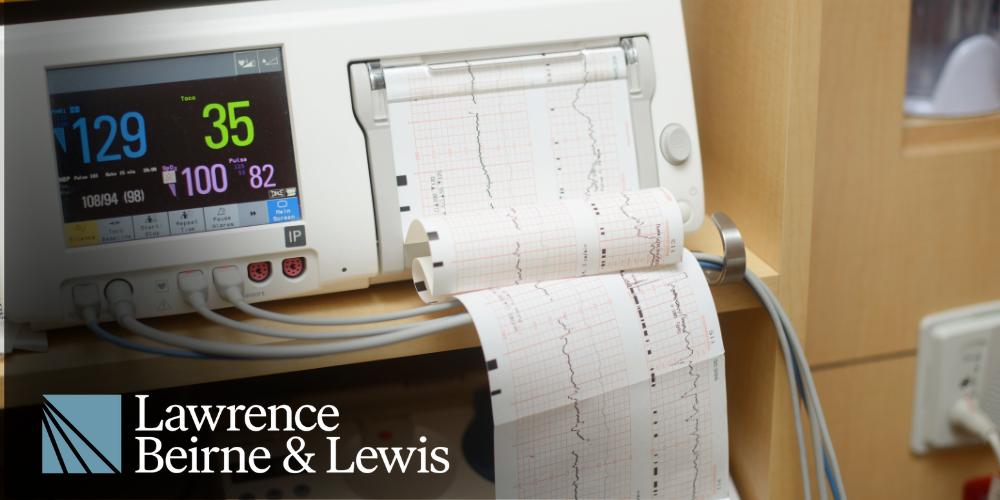
Pregnant women go into labor, leave everything up to the medical professionals, and trust that they will care for them and their baby throughout delivery. When a birth injury occurs during the delivery process due to negligence, a happy and joyous occasion can suddenly turn into a medical emergency for both mother and child. You could have a medical malpractice case if your baby experienced fetal distress during labor and delivery that wasn’t managed properly.
The Ohio and Northern Kentucky birth injury lawyers at Lawrence, Beirne & Lewis are experienced in representing families pursuing medical malpractice cases and will fight for you to receive the full compensation you deserve. If you live in Ohio or Northern Kentucky and believe your child suffered one of many preventable birth injuries as a result of fetal distress, contact the legal team at LBL today to schedule a free initial consultation. You can get in touch by calling our Cincinnati office at (513) 651-4130, our Covington office at (859) 578-9130, or toll-free at (800) 698-4054. You can also reach out using our online contact form. We handle every case on a contingency fee basis, so you owe nothing unless we recover compensation for your family.
Let’s Discuss Your Potential Case
Let’s Discuss Your Potential Case
What is Fetal Distress or Non-Reassuring Fetal Status?
Fetal distress is a medical emergency during pregnancy, labor, and delivery in which the baby is deprived of oxygen and other nutrients. In recent years, healthcare professionals have replaced the term “fetal distress” with NRFS, or non-reassuring fetal status. When the fetus shows signs that something is wrong, such as changes in heart rate or oxygen levels, it is described as NRFS and requires the delivery team to take immediate action to protect both the mother and the baby’s health.
Common Causes of Fetal Distress During Pregnancy or Labor
A number of risk factors can contribute to fetal distress, including:
- Umbilical cord compression or prolapse
- Placental abruption or reduced placental blood flow
- Excessive uterine contractions
- Maternal low blood pressure or high blood pressure
- Preeclampsia
- Prolonged labor
- Low amniotic fluid
- Maternal medical conditions, such as diabetes or infection
- Multiple gestation (twins or higher-order multiples)
- Post-term or overdue pregnancy
- Fetal growth restriction
When any of these risk factors are present, the delivery team is expected to closely monitor mother and baby and to be prepared to provide immediate medical attention if warning signs develop. Recognizing these potential complications early on is often the key to preventing a difficult delivery from turning into a lifelong birth injury.

Signs of Fetal Distress Medical Providers Should Evaluate
A slow fetal heart rate, repeated late or variable decelerations, and reduced fetal movement can all indicate non-reassuring fetal status, along with:
- Concerning changes in heart rate variability
- Abnormal blood gas or fetal acidosis findings
- Meconium-stained amniotic fluid when accompanied by other warning signs
When these signs appear on the monitor, medical providers are expected to recognize them and respond quickly. A delayed or missed diagnosis of fetal acidosis, or a failure to recognize signs pointing toward meconium aspiration syndrome, often traces back to negligent fetal monitoring during labor.
How Medical Teams May Respond to Fetal Distress
When fetal distress occurs, the delivery team’s response in the following minutes can make all the difference in the baby’s outcome. If the fetal monitor shows signs that a baby experiences complications, such as an abnormal heart rate pattern or other concerning changes, the medical team must act quickly to determine the cause and decide on an appropriate course of action. This may include repositioning the mother, providing supplemental oxygen, adjusting or stopping labor-inducing medication, or increasing intravenous fluids in an effort to help the baby receive enough oxygen and stabilize before any further steps are taken.
If these initial interventions don’t resolve the concerning signs, or if the fetal distress is severe, the standard of care typically requires the medical team to prepare for an emergency C-section without delay. Timely intervention is critical in these situations, since prolonged oxygen deprivation can quickly lead to permanent brain injury or other serious harm.
A competent medical team should never wait to see if the baby’s condition improves on its own once significant warning signs are present. Instead, providers are expected to properly manage fetal distress by escalating care immediately and keeping the delivery room prepared to move to surgery at a moment’s notice, so the baby can be delivered as quickly and safely as possible.
Medical Negligence That May Lead to Fetal Distress Injuries
Preventable birth injuries connected to fetal distress often trace back to specific failures by members of the delivery team. These may constitute medical negligence when they fall below accepted medical standards and lead to serious injuries to the baby, mother, or both. Examples of medical negligence that may lead to fetal distress-related birth injuries include:
- Failing to properly monitor the fetal heart rate
- Misreading or overlooking abnormal tracings
- Failing to notify the obstetrician of a concerning change in the baby’s condition
- Improperly administering labor-inducing medication
- Delaying an emergency cesarean delivery
- Failing to address placental or umbilical cord problems
- Inadequate communication among nurses, midwives, and physicians
Whether the breakdown involved a nurse or midwife who failed to escalate a concerning tracing, an OB/GYN responsible for the failure to order a timely C-section, or a broader failure of labor and delivery malpractice within the hospital’s system, our attorneys investigate every link in the chain to determine where the doctor’s failure to act cost your baby the prompt intervention needed to prevent serious, potentially lifelong injuries.

Birth Injuries Associated With Prolonged Fetal Distress
When fetal distress goes unrecognized or unaddressed, the baby can experience prolonged oxygen deprivation that leads to serious, sometimes permanent, injuries, including:
- Hypoxic-ischemic encephalopathy (HIE)
- Fetal acidosis
- Cerebral palsy
- Organ damage
- Infant seizures and seizure disorders
- Developmental delays
- Cognitive or motor impairments
These birth injuries caused by prolonged fetal distress can affect a child’s future for a lifetime, requiring ongoing medical care, therapy, and support. In the most tragic cases, prolonged oxygen deprivation results in stillbirth or the wrongful death of a newborn.
Can Parents File a Lawsuit for Fetal Distress?
If it can be proven that a healthcare provider was negligent in causing fetal distress, or failed to appreciate signs of fetal distress, and your baby was injured as a result, you may be able to seek compensation through a medical malpractice lawsuit.
To pursue a fetal distress lawsuit, it’s necessary to establish that a healthcare provider failed to provide proper care that would be expected of a competent medical professional in the same situation. This could include failing to monitor the baby’s fetal heart rate, failing to detect signs of distress, or failing to take appropriate action once distress was identified. It must also be shown that this failure to meet the standard of care was the direct cause of your child’s injury.
When considering a medical malpractice lawsuit, it’s important to obtain and preserve neonatal records, delivery records, nursing notes, and any other documentation that can help your attorneys prove that medical negligence caused your baby’s birth injuries. Fetal distress cases can be complex and challenging to litigate, so it’s generally recommended to seek the guidance of an experienced Northern Kentucky or Cincinnati birth injury attorney as soon as possible after you suspect something went wrong.

Who May Be Held Liable in Fetal Distress Birth Injury Cases?
Liability in a fetal distress birth injury case depends on each party’s actions and role in the child’s injury. Potentially liable parties may include:
- Obstetricians
- Labor and delivery nurses
- Midwives
- Residents or attending physicians
- Hospitals and healthcare systems
- Medical groups responsible for staffing or supervision
Because multiple members of the delivery team are often involved in a single labor and delivery, your fetal distress lawyer should carefully examine the medical records to determine which provider’s conduct fell short of accepted medical standards. In many cases, more than one party (whether a treating physician, a hospital’s nursing staff, or the hospital itself through claims of negligent hospital supervision) may share responsibility for the resulting harm.
When Should You Contact a Lawyer for Fetal Distress?
Certain warning signs in your delivery experience or your baby’s medical records may indicate that fetal distress was mishandled, including:
- The medical team delayed an emergency delivery
- Staff failed to recognize abnormal fetal heart rate patterns
- Monitoring stopped or produced an unreliable tracing without follow-up
- Providers ignored maternal or fetal warning signs
- The baby developed HIE, seizures, cerebral palsy, or another injury related to oxygen deprivation/hypoxia
- Hospital records do not clearly explain the delay or outcome
If any of these circumstances sound familiar, it’s worth having an experienced fetal distress lawyer review your baby’s delivery records and help you understand your legal options.

How a Malpractice Attorney for Fetal Distress Investigates Negligent Medical Care
Before pursuing legal action on behalf of a family, an experienced malpractice attorney must first determine whether the medical professionals involved in the delivery actually deviated from the standard of care, and whether that deviation caused the baby’s injuries. This process typically begins with obtaining and carefully reviewing the complete medical record, including prenatal, labor, delivery, NICU, and pediatric records, to build a clear picture of everything that happened before, during, and after delivery.
A central part of this investigation involves close review of the fetal monitoring strips generated during labor, since these records often provide the clearest evidence of how and when the baby’s condition changed. Our experienced Cincinnati and Covington birth injury attorneys at Lawrence, Beirne & Lewis examine this fetal monitoring data alongside nursing documentation, medication administration records, and the overall timeline of the delivery to identify whether the causes of fetal distress were recognized in time, and whether the response met accepted medical standards.
We also consult with qualified medical professionals, including specialists in obstetrics and neonatology, who can review cord blood gases, Apgar scores, imaging, and neurological findings to help establish both the standard of care and the connection between any negligence and the child’s injuries. This thorough investigation is essential not only to proving fault, but to accurately valuing the medical expenses and other losses a family may be entitled to recover through a birth injury lawsuit.

Potential Compensation Available in Fetal Distress Cases
Families of injured infants may be entitled to seek compensation for a wide range of damages, including:
- Past and future medical care and medical bills
- Physical, occupational, and speech therapy
- Assistive equipment and home modifications
- In-home nursing or attendant care
- Reduced future earning capacity
- Pain, disability, and reduced quality of life
- Emotional distress experienced by the family
- Wrongful death losses when the child did not survive
Because many fetal distress injuries require lifelong future care, our fetal distress lawyers work closely with medical and financial professionals to make sure every element of your child’s future needs is accounted for before pursuing a settlement or verdict.
How Long Do Families Have to File a Fetal Distress Birth Injury Claim?
Ohio and Kentucky apply different filing requirements to birth injury cases, and the applicable deadline can shift depending on whether the claim involves an injured minor, a parental claim, a medical malpractice allegation, or a wrongful death. Because these rules vary so significantly from case to case, it’s not possible to say that one deadline applies to every family. Instead, it’s important to have your case reviewed by an experienced attorney as soon as possible, while medical records, monitoring strips, and witness memories are still available to support your claim.

Why Choose the Fetal Distress Injury Attorneys at Lawrence, Beirne & Lewis?
Families throughout Southwest Ohio and Northern Kentucky trust Lawrence, Beirne & Lewis to handle their fetal distress and birth injury cases because our firm offers:
- Local offices in Cincinnati and Covington, with representation throughout Southwest Ohio and Northern Kentucky
- More than 50 years of medical malpractice and birth injury experience
- A legal team that includes registered nurses
- Experience evaluating lifelong care needs for children with birth injuries
- Thorough preparation for both settlement negotiations and trial
Our attorneys, paralegals, and registered nurses work together on every birth injury claim, combining legal skill with medical knowledge to evaluate your child’s current condition and long-term needs.
Contact a Northern Kentucky or Cincinnati Fetal Distress Attorney at LBL for a Free Consultation Today
Fetal distress claims and other obstetric malpractice cases are very serious, so you need an experienced medical malpractice attorney on your side every step of the way. At Lawrence, Beirne & Lewis, our team of Northern Kentucky and Cincinnati medical malpractice attorneys has over 50 years of experience handling medical malpractice and birth injury cases. If your baby suffered from fetal distress that led to severe brain damage or other birth injuries due to a doctor’s medical negligence, we are prepared to help explain your options and guide you through the claims process.
Call our law firm toll-free at (800) 698-4054, our Cincinnati, OH office at (513) 651-4130, our Covington, KY office at (859) 578-9130, or reach out online to schedule a free consultation with one of our experienced medical malpractice attorneys today.
What Clients Have To Say About Working With Us
We Have Recovered Over $100 Million
for Injury Victims and Their Families

















Proud to Give Back
We are proud to give back to
the communities we serve.