
Home » Bedsores
Greater Cincinnati Bedsore Lawyer
Experienced Nursing Home Bedsore Lawyers in Cincinnati, OH & Northern KY

Bedsores, also known as decubitus ulcers or pressure sores, are painful injuries that frequently signal neglect in nursing homes and assisted living facilities. These injuries develop when vulnerable residents are not given the attentive care they need, and they can quickly become life-threatening without proper medical treatment.
Families trust nursing homes and other assisted living facilities to provide safe and supportive environments for their loved ones. When these facilities fail to meet their legal and ethical responsibilities, we’re committed to holding them accountable. If your loved one has developed bedsores in a nursing home, contact an experienced Ohio or Kentucky bedsore lawyer at Lawrence, Beirne & Lewis immediately.
With offices conveniently located in Covington, KY, and Cincinnati, OH, our attorneys protect the rights of nursing home residents throughout the Greater Cincinnati Region. To schedule a free consultation, call our Kentucky office at (859) 578-9130 or our Ohio office at (513) 651-4130 today.
Backed by decades of experience in nursing home neglect and medical injury cases, our legal team is prepared to fight for justice and pursue full accountability for the harm your loved one has suffered.
Let’s Discuss Your Potential Case
Let’s Discuss Your Potential Case
What is a Bed Sore?
Bed sores, also called pressure sores, pressure ulcers, or decubitus ulcers, develop when prolonged pressure cuts off blood flow to the skin and underlying tissue. These injuries commonly form on bony areas of the body, such as the heels, hips, ankles, shoulder blades, and tailbone, where the skin is most vulnerable.
Risk Factors for Decubitus Ulcers
Studies estimate that between 1 and 3 million people in the United States suffer from pressure injuries each year. While anyone can develop bed sores, they are especially common among those with limited mobility. Elderly individuals, immobile patients, and hospitalized residents face the highest risk because being left in the same position for extended periods makes pressure injuries far more likely.
Other risk factors can also increase the likelihood of bed sore development. Malnutrition, dehydration, and medical conditions that impair blood circulation, such as diabetes or vascular disease, make skin and tissue more fragile. In addition, individuals who are incontinent are at greater risk, since prolonged exposure to urine or stool weakens the skin’s protective barrier.
In any case, pressure ulcers are a serious medical condition that requires immediate attention. Although preventable with proper care, untreated bed sores can result in severe infections, permanent tissue damage, and in the most serious cases, death.

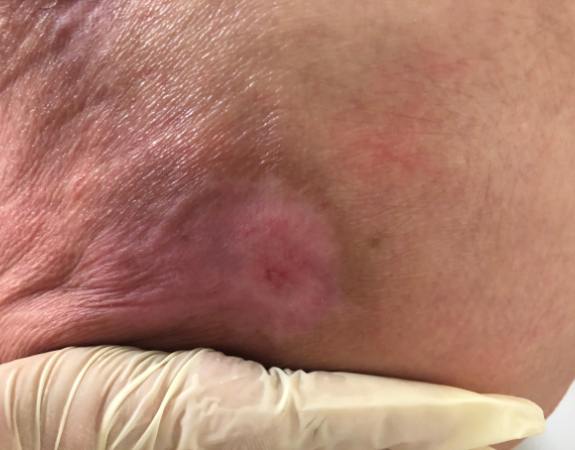
Stage 1 Bed Sores
Stage 1 bed sores are the earliest sign that a patient may be developing bedsores. At this stage, the skin has not yet broken, but there are clear warning signs that pressure damage is beginning. Proper treatment at this point is crucial because early care can prevent the sore from progressing into deeper, more painful wounds.
Common characteristics of stage 1 bed sores include:
- Redness or discoloration that does not fade when pressure is relieved
- Skin that feels warmer or cooler than the surrounding areas
- Tenderness, pain, or itching in the affected spot
- Firmness or softness in the skin compared to nearby tissue
By checking the patient regularly and addressing these early signs, caregivers can reduce the risk of more serious pressure injuries.
Stage 2 Bed Sores
Stage 2 bed sores are a more advanced stage of pressure ulcer development where the damage has progressed beyond the skin’s surface. At this point, the skin breaks open, forming a shallow wound, blister, or ulcer. Because the protective barrier is compromised, the risk of infection and complications increases significantly, especially for nursing home patients who may already have a fragile health status.
Common characteristics of stage 2 bed sores include:
- Open wounds, blisters, or shallow ulcers on the skin
- Pink, red, or discolored tissue at the site of the sore
- Clear fluid-filled blisters that may rupture
- Increased physical pain and tenderness in the affected area
Stage 3 Bed Sores
Stage 3 bed sores represent a severe progression of pressure injuries, where damage extends through the skin and into the underlying tissue. Individuals in nursing homes suffer greatly at this stage because the wounds are open, painful, and far more difficult to treat. Without immediate medical attention, these sores can lead to serious complications, including infection and long-term health decline.
Common characteristics of stage 3 bed sores include:
- Deep open wounds exposing fat or underlying tissue
- Crater-like appearance with significant skin loss
- Foul odor or drainage indicating possible infection
- Noticeable redness, swelling, and tenderness around the sore injuries
Stage 4 Bed Sores
A stage 4 bed sore is the most serious pressure ulcer a person can experience. This advanced and dangerous form of ulcer extends through muscle and may expose bone, tendons, or joints. At this stage, patients face an extremely high risk of infection, sepsis, and other life-threatening complications.
Common characteristics of stage 4 bed sores include:
- Large, deep wounds with visible muscle, tendon, or bone
- Significant tissue loss and blackened or dead tissue around the sore
- Severe odor, drainage, or pus indicating infection
- Extreme pain, fever, or systemic illness caused by the ulcer
Families should turn to a nursing home abuse lawyer to hold facilities accountable when neglect leads to injuries this severe. In many cases, bed sore lawsuits are the only way to seek justice for vulnerable residents harmed by inadequate care.
Are Bed Sores Dangerous?
Yes, bed sores are dangerous when left untreated. Complications can range from skin infections like cellulitis to infections of the bones and joints. In severe cases, untreated sores can lead to sepsis negligence claims, which may require amputation or lead to death. These outcomes are preventable, but when proper care is not provided, residents face devastating and avoidable harm.
If your loved one is suffering from pressure ulcers due to inadequate care, ensure they receive immediate treatment and speak with a dedicated bed sore lawyer about holding the facility accountable.
Are Bed Sores Considered Neglect?
In most cases, bed sores are considered neglect. This is particularly true when patients have developed bed sores due to a lack of proper repositioning or a lack of monitoring.
Nursing home facilities and hospitals are legally required to uphold a proper standard of care for every patient. As such, the development of preventable bedsores is widely recognized as a sign of neglect or abuse under both state and federal law. The Nursing Home Reform Act of 1987 established clear protections for residents’ rights, including the right to receive appropriate medical care.
At the state level, Ohio law (Section 3721.13) outlines additional residents’ rights, while Kentucky law (KRS 216.515 and KRS 216.520) provides similar protections. When staff members fail to monitor patients or provide proper repositioning to prevent pressure ulcers, they are violating these important legal standards.

Common Causes of Nursing Home Bed Sores
Nursing home bed sores are often a result of improper care. The prolonged pressure of sitting or lying in the same position restricts blood flow, which leads to residents developing pressure ulcers. For this reason, nursing home staff are expected to help residents with limited mobility move or reposition regularly for proper pressure ulcer prevention.
In addition to prolonged immobility, some other common reasons why bedsores develop in nursing homes include:
- Poor circulation: Conditions such as diabetes or vascular disease can reduce blood flow and increase skin breakdown.
- Moisture exposure: Incontinence, sweat, or wound drainage that is not managed properly weakens the skin.
- Poor nutrition and dehydration: Lack of proper nutrients and fluids makes skin thinner and more prone to damage.
- Friction and shear: Sliding in a bed or chair can cause the skin to rub and tear against surfaces.
- Lack of monitoring by staff: Failure of caregivers to perform routine skin checks or repositioning contributes directly to ulcer formation.
Who Pays for Bed Sore Treatment in Nursing Home?
Nursing home residents rely on the services of nursing facilities, which is why it can be especially distressing when those facilities instead cause harm. Families shouldn’t have to pay medical expenses for injuries caused by neglect. Fortunately, they don’t have to.
In Kentucky and Ohio personal injury claims, when individuals are harmed by another’s negligence, the negligent party can be held accountable in a court of law. Accountability typically includes financial responsibility for the medical treatment of those who were harmed.
In the same way that a negligent driver may be held financially responsible for another driver’s car accident injuries, negligent nursing homes can be held financially responsible for failing to treat bedsores. A bedsore lawyer at Lawrence, Beirne & Lewis can help you pursue a civil claim for full compensation if your loved one developed bed sore injuries as a result of inadequate care.

Can You Sue a Nursing Home for Bed Sores?
Yes. Nursing homes can be sued for any breach of duty that leads to their patients being harmed.
While on your own, you may be limited in your ability to influence the practices of a nursing home or to demand compensation for medical malpractice, lawsuits help families hold nursing home facilities accountable, improve standards of care, and secure the compensation their loved ones deserve.
How To Report Nursing Home Neglect in Ohio
To report nursing home abuse or neglect in Ohio, you can file a complaint with the Ohio Department of Health online complaint form or by calling the Complaint Unit at 1-800-342-0553. Complaints are reviewed and, when appropriate, investigated by the Bureau of Survey and Certification (BOSC).
The BOSC requires comprehensive information to determine if a complaint can and should be investigated. While you may remain anonymous, including your name, address, and phone number can strengthen your report. Be prepared to provide:
- The name and address of the facility
- Date and time of the incident
- Frequency of incidents, if there is an ongoing concern
- Names of residents, patients, witnesses, staff, or perpetrators involved
- A detailed narrative describing the abuse or neglect
If you haven’t already done so, it is equally important to contact an experienced nursing home abuse lawyer. A Cincinnati nursing home abuse attorney at Lawrence, Beirne & Lewis can guide you through the reporting process, protect your loved one’s rights, and help you pursue legal action to hold the facility accountable.
How To Report Nursing Home Neglect in Kentucky
You can report abuse or neglect to several agencies:
- Office of Inspector General, Cabinet for Health and Family Services: (502) 564-2888 – oversees nursing home licensing and regulations.
- Kentucky Nursing Home Ombudsman Agency: (859) 277-9215 or email – investigates and resolves complaints.
- Adult Protective Services (APS): 1-800-752-6200 or online – handles abuse, neglect, or exploitation cases.
When filing, you should always include as much information as possible, including:
- Victim’s name and your relationship
- Facility name and address
- Dates, times, and descriptions of incidents
- Names of perpetrators, witnesses, and their contact info
- Documentation (photos, videos, records)
NOTE: Families have the right to review nursing home records. If access is denied, note who refused and when, and include this information in your complaint.

Can You Sue a Hospital for Bed Sores?
Although hospitals and nursing homes serve different purposes, both are required to provide an acceptable standard of care. Hospital patients and nursing home residents alike may have limited mobility or spend long periods confined to bed. When staff fails to monitor these individuals, hospital-acquired bedsores or pressure ulcers caused by nursing neglect can develop. These injuries may give families grounds to file a bedsore lawsuit or claim for hospital negligence.
If you’re considering suing a hospital for failing to prevent bed sores, don’t hesitate to reach out. Our hospital mistreatment lawyers in Ohio and Kentucky are prepared to protect your loved one’s rights and pursue the compensation your family deserves.
How Much is a Bedsore Lawsuit Worth?
How much you can sue a nursing home for in medical neglect cases involving bed sores varies widely based on the circumstances. Factors that influence case value include the severity of the wound, related medical expenses, the level of pain and suffering, and any lasting impact on the patient’s health.
In the most severe situations, bed sores can lead to wrongful death. These lawsuits are generally valued higher due to the profound loss involved. If you have lost a loved one due to bedsores or any complications related to them, speak with a Covington or Cincinnati wrongful death lawyer at Lawrence, Beirne & Lewis about the wrongful death damages you may be entitled to.
How Long Does a Bedsore Lawsuit Take?
After your attorney investigates the facts and determines you have a valid claim, they will file a lawsuit on your behalf. The case then moves into the discovery phase, where both sides exchange information and evidence. From there, your lawyer may enter settlement negotiations to resolve the case without trial. If a fair settlement cannot be reached, the case will proceed to court.
On average, bed sore lawsuits take between 12 to 24 months to resolve. The exact timeline depends on factors such as the facility’s cooperation, the complexity of the case, and the court’s schedule.

Why You Need an Experienced Bed Sore Lawyer
In most cases, bed sore injuries are completely preventable with proper care, so when they occur, they are often a sign that staff failed in their duty to protect vulnerable patients. If your family member has developed serious bedsores, it is important to recognize that you may have grounds for a nursing home bedsore lawsuit.
Unfortunately, proving nursing home or hospital liability can be challenging. Medical and legal matters are often complex and incredibly difficult to understand, which puts you at a disadvantage when going against nursing home entities or medical professionals and their own legal teams. This is why it is so important that families of nursing home residents who have experienced neglect and/or abuse reach out to an experienced attorney as early on in the case as possible.
Your lawyer can investigate the facts, determine whether medical malpractice or patient neglect played a role, guide you through the legal process, and build a strong case on your behalf. This includes gathering medical records, interviewing other residents or staff, and working with medical experts to prove the extent of the harm.
With the right representation, your family can seek financial compensation for the full extent of all medical costs, pain and suffering, and the long-term impact of these injuries. Not only that, but working with an experienced bed sore lawyer gives you the best chance to hold facilities accountable and protect your loved one’s rights.
How Our Cincinnati & Covington Nursing Home Bed Sore Attorneys Can Help
Cases of nursing home neglect and elder abuse are deeply personal, and our team at Lawrence, Beirne & Lewis takes that responsibility seriously. If you are looking to take legal action after discovering pressure sores on your loved one’s body, our attorneys and staff provide personalized support, tailoring our legal strategies to meet your family’s unique needs.
Our Ohio and Kentucky nursing home abuse lawyers conduct thorough investigations, reviewing medical records, gathering witness statements from residents and staff, and documenting the progression of bed sores or other injuries. With full representation, we guide you through every stage of the process, from filing complaints with the appropriate agencies to supporting you during investigations and representing you in pre-trial negotiations or trial, if necessary.
At Lawrence, Beirne & Lewis, we offer free consultations and work on a contingency fee basis, meaning you pay nothing unless we recover compensation for you. Call today to discuss your nursing home abuse claim and learn how we can protect your loved one’s rights.
Serving Clients Throughout Northern Kentucky and Southwest Ohio
Clients across Northern Kentucky and Southwest Ohio can turn to Lawrence, Beirne & Lewis for trusted representation. Our attorneys serve the entire Greater Cincinnati Region and beyond, including Covington, Dayton, Florence, Kenwood, and the surrounding areas.
With extensive knowledge of local courts and experience handling nursing home abuse and neglect cases in both Ohio and Kentucky, we are prepared to help families pursue the financial compensation they deserve.

Get Help From a Kentucky and Ohio Bedsore Lawyer at Lawrence, Beirne & Lewis Today
If your loved one has suffered bedsores (aka “pressure sores”) due to neglect at a nursing home or any other assisted living facility or hospital, you have the right to take legal action.
Should you choose to, the experienced Northern Kentucky and Cincinnati bed sore attorneys at Lawrence, Beirne & Lewis are here to help. We offer free consultations and handle medical neglect cases on a contingency fee basis, meaning you pay no fees unless we recover compensation for your family.
Contact our dedicated bed sore lawyers today through our online intake form or by phone at:
- Covington, Kentucky Law Office – (859) 578-9130
- Cincinnati, Ohio Law Office – (513) 651-4130
- Toll-Free – (800) 698-4054
Let us protect your loved one’s rights and fight for the justice your family deserves.